
Our core service
Water Heater Repair in Snellville
Lukewarm water, odd noises, a tripping breaker or a pilot that will not stay lit. Explore the causes and when repair can be a sensible choice.
Water Heater Repair for Snellville area homes
Most water heater problems start small. The shower takes longer to warm up, the hot water runs out halfway through the dishes, or a soft popping sound starts coming from the garage. Those are signals, and in many cases the tank itself is still sound.
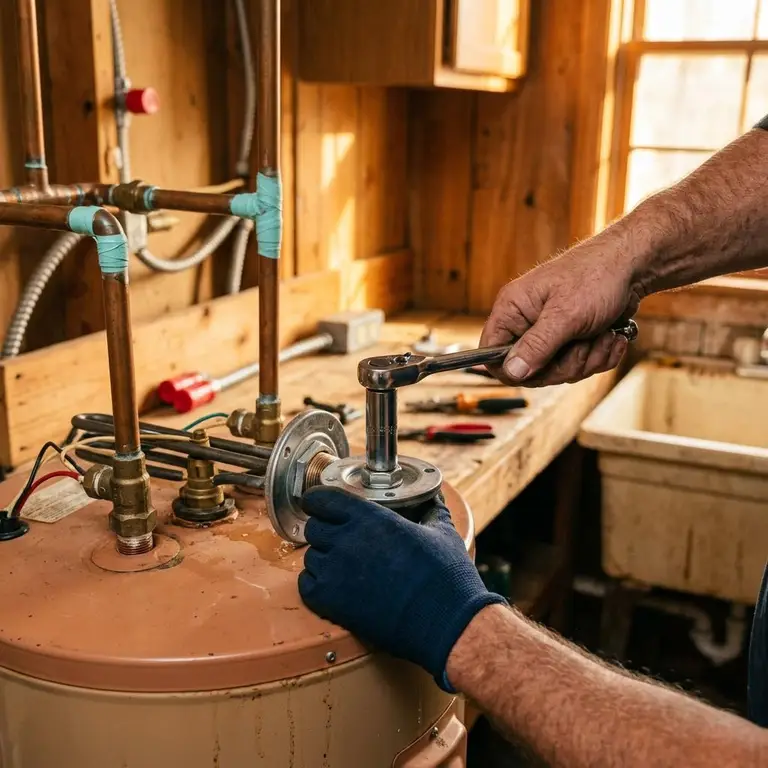
Water heater repair in Snellville, GA begins with finding the actual cause instead of guessing. A tank heater has a short list of parts that wear out: heating elements, thermostats, thermocouples, gas valves, dip tubes, anode rods and relief valves. When one of those parts is the problem, a repair is usually the sensible and affordable answer.
Symptoms that usually point to a repair
Water that never gets truly hot
On electric units this often means a failed element or thermostat. On gas units it can be a dirty burner, a weak thermocouple or a control issue.
Hot water that runs out fast
A broken dip tube lets cold water mix at the top of the tank, so the supply feels short even though the tank is full.
Rumbling or popping sounds
Sediment settles at the bottom of the tank and traps water that boils in small pockets. Flushing can quiet it and help efficiency.
Rusty or smelly hot water
A spent anode rod lets the tank start to corrode, and some water can react with the rod to create a sulfur smell.
Drips at a fitting or valve
A loose connection or a weeping relief valve is a repair. Water seeping from the tank body itself is not.
What a repair visit covers
- Checking power, gas supply and thermostat settings before opening anything
- Testing elements, thermostats or the gas control and thermocouple
- Inspecting the relief valve, discharge line and drain valve
- Looking at the anode rod and sediment level where access allows
- An honest note on whether the tank is worth repairing at its age
How the repair process works
- 1
Listen first
You describe what changed and when. Small details like the timing of a noise often shorten the search.
- 2
Test, then explain
Parts are tested rather than swapped blindly, and you hear what failed in plain words.
- 3
Repair or recommend
If the fix makes sense, it is done. If the tank is near the end of its life, you get the replacement option instead.
- 4
Check the result
The heater is brought back to temperature and the area is checked for leaks before the visit ends.
Repair or replace: a simple way to think about it
Age is the first clue. Many tank heaters reach the end of their useful life somewhere around ten to fifteen years, depending on water quality and care. A failed thermostat on a five year old unit is worth fixing. A leaking tank on a fourteen year old unit usually is not.
The second clue is where the trouble lives. Controls, elements and valves are replaceable parts. Corrosion inside the steel tank is not repairable. If you are not sure which situation you are in, the leaking water heater page and the old water heater replacement page walk through each case in more detail.
This service is available in Snellville and the nearby communities listed on our service areas page. For broader questions, the water heater FAQ covers the basics.
Related water heater services
 12
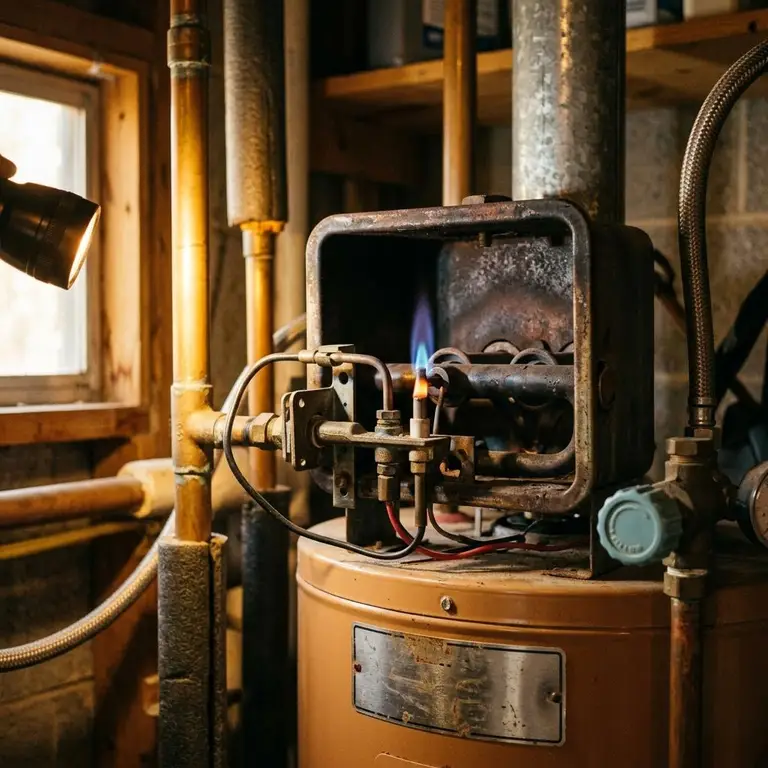
12Gas Water Heater Repair
Pilot lights that go out, burners that will not ignite, weak heat and venting concerns on gas tank heaters, handled with careful safety checks.
Read about gas water heater repair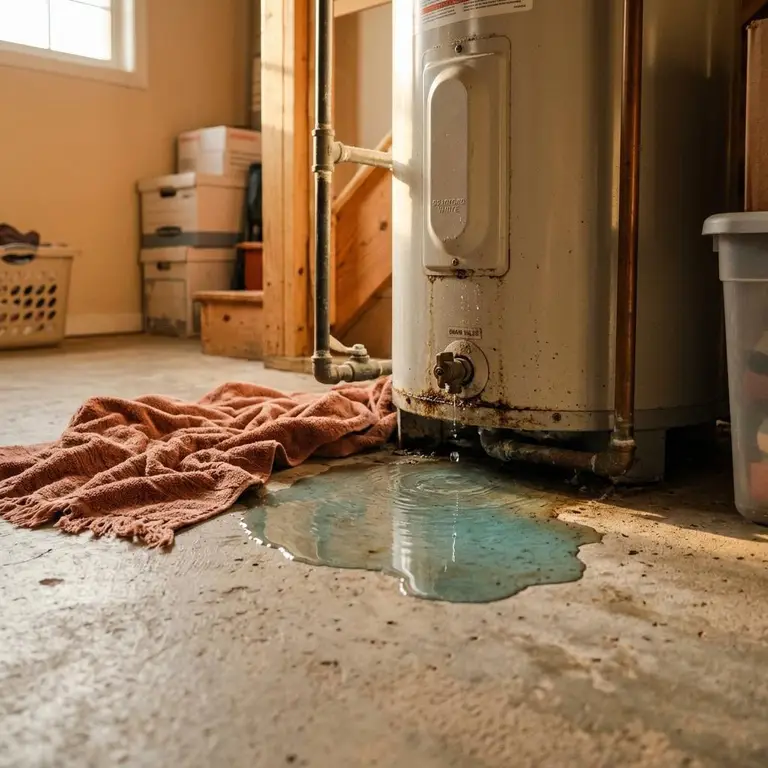 09
09Water Heater Leaking Replacement
Water under the heater needs quick action. Find where the leak is coming from, protect the home, and replace the tank when it is the source.
Read about water heater leaking replacement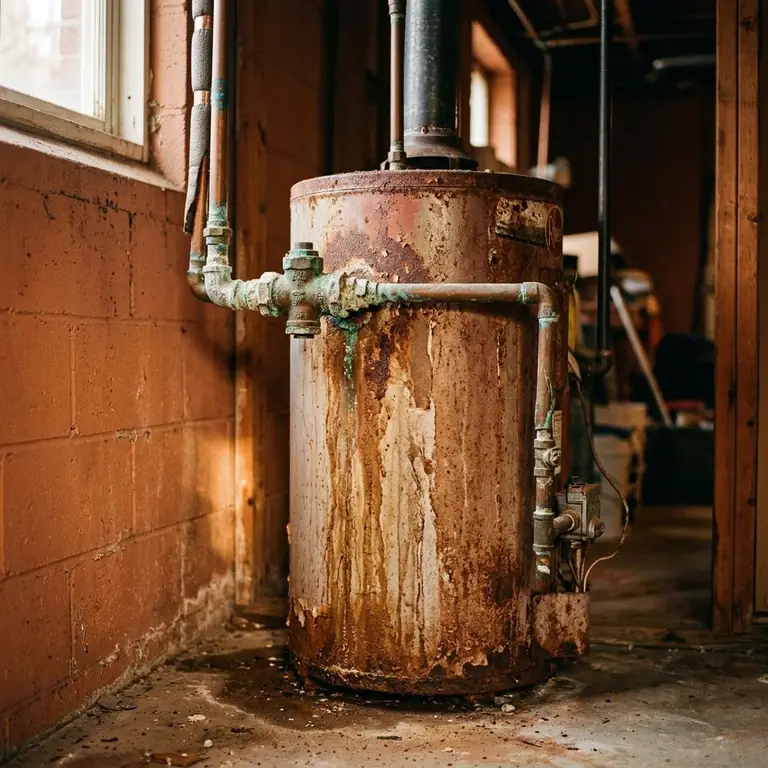 07
07Old Water Heater Replacement
For heaters that are well past their prime: a look at age, corrosion and risk, then a calm plan to replace before a surprise failure.
Read about old water heater replacementQuestions about water heater repair?
The contact page lists the details about your heater that help most when discussing this service.